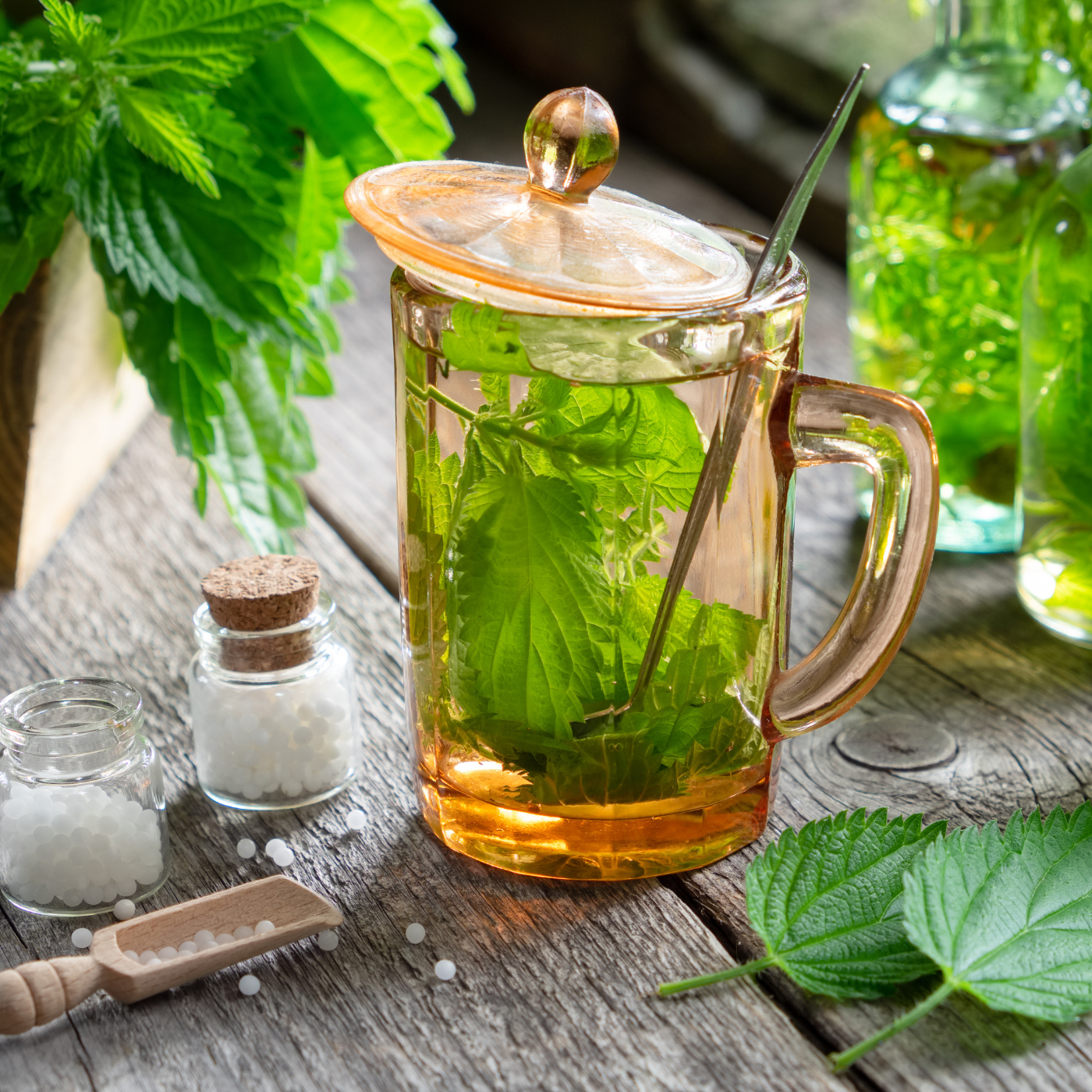
Nettle, scientifically known as Urtica dioica, is a remarkable plant with a long history of medicinal use across various cultures. From Ayurveda and Traditional Chinese Medicine (TCM) to Western medicine and Anthroposophy, nettle has been revered for its numerous health benefits. In this article, we will delve into the rich traditions of Ayurveda, TCM, Western medicine and Anthroposophy to explore the diverse applications and therapeutic properties of nettle.
Nettle in Ayurveda: The Vedic Herb
Nettle has been revered for centuries as a potent medicinal herb in Ayurveda. Its various parts, including the leaves, stems, and roots, are utilized for their unique properties and healing effects. According to Ayurvedic principles, nettle possesses astringent, bitter, and pungent tastes, and it is considered cooling in nature.
Balancing the Doshas: Vata and Kapha: In Ayurveda, nettle is believed to pacify the Vata and Kapha doshas while potentially aggravating Pitta. Vata represents the elements of air and space and is responsible for movement in the body. Nettle’s grounding and nourishing properties can help balance Vata, calming the nervous system and reducing excessive movement. Kapha, associated with the earth and water elements, governs structure and lubrication. Nettle’s astringent nature aids in reducing excess Kapha, supporting healthy digestion and fluid balance.
Detoxification and Purification: Nettle is renowned in Ayurveda for its detoxifying and purifying effects. It is believed to help eliminate toxins from the body, supporting liver and kidney functions. Nettle’s diuretic properties promote the elimination of waste products and excess fluids, making it beneficial for reducing water retention and supporting urinary tract health.
Supporting Digestion and Metabolism: Ayurveda emphasizes the importance of healthy digestion for overall well-being. Nettle is considered a digestive tonic, stimulating agni (digestive fire) and enhancing nutrient absorption. It may help alleviate digestive disorders such as indigestion, flatulence, and constipation. Nettle’s bitter taste also supports healthy liver function, aiding in the detoxification process.
Joint Health and Inflammation: Nettle’s anti-inflammatory properties make it valuable in addressing joint pain and inflammation, which are often associated with conditions such as arthritis and gout. Ayurvedic practitioners may incorporate nettle into formulations to help reduce swelling, ease pain, and support healthy joint function.
Respiratory Health and Allergies: In Ayurveda, nettle is known to support respiratory health, making it beneficial for conditions such as asthma, bronchitis, and allergies. Its anti-allergic properties help reduce the symptoms of hay fever and respiratory allergies. Nettle’s ability to balance the doshas, reduce inflammation, and clear excess mucus contributes to its effectiveness in respiratory care.
Traditional Chinese Medicine (TCM) – Nourishing and Harmonizing
Nettle is highly regarded in TCM for its ability to tonify the blood and nourish the Kidney meridian. According to TCM principles, the Kidney system is considered the foundation of vitality, responsible for growth, development, and overall well-being. Nettle is known to strengthen the Kidney meridian, supporting its functions and promoting balance within the body.
Therapeutic Properties and Indications
Blood Tonic: In TCM, nettle is recognized as a blood tonic herb. It is believed to enhance blood circulation, nourish the blood, and improve its quality. Regular consumption of nettle can help address symptoms associated with blood deficiency, such as pale complexion, dizziness, and fatigue.
Kidney Health: Nettle is considered a Kidney tonic, providing support to this vital organ system. The Kidneys are believed to govern the body’s growth, development, and reproductive functions. Nettle’s Kidney-tonifying properties can help strengthen the Kidney meridian, promoting its balance and ensuring the optimal functioning of related organs and systems.
Yin Tonic: Nettle possesses Yin-tonifying properties, which are crucial for maintaining balance within the body. In TCM, Yin represents the cooling, nourishing, and moistening aspect of the body. Nettle’s Yin-tonifying effects can help address symptoms of Yin deficiency, such as dryness, hot flashes, and night sweats.
Hair and Nail Health: In TCM, the quality of the hair and nails is closely related to the health of the Kidney system. Nettle’s ability to nourish the Kidney meridian makes it beneficial for promoting healthy hair growth, preventing hair loss, and strengthening brittle nails.
Joint and Bone Health: Nettle is considered a valuable herb for addressing joint and bone health in TCM. It is believed to strengthen the bones, promote flexibility, and alleviate symptoms associated with conditions like arthritis and osteoporosis. Regular consumption of nettle can help nourish the joints, reduce inflammation, and support overall joint health.
Nettle in Western Herbal Medicine: A Potent Herb for Holistic Health
Nettle (Urtica dioica) has long been valued in Western herbal medicine for its exceptional therapeutic properties. This versatile herb has a rich history of use, dating back centuries, and continues to be a staple in many herbal medicine practices today.
Nutritional Powerhouse: Nettle leaves are rich in essential vitamins, minerals, and phytonutrients, making them a valuable addition to a healthy diet. They are an excellent source of vitamins A, C, and K, as well as minerals like calcium, magnesium, iron, and potassium. Nettle also contains potent antioxidants, including flavonoids and carotenoids, which help protect the body against oxidative stress and support overall well-being.
Supports Joint and Musculoskeletal Health: Nettle has been traditionally used to alleviate symptoms associated with joint pain, arthritis, and other musculoskeletal conditions. It possesses anti-inflammatory properties that can help reduce inflammation and ease discomfort. Many individuals find relief by using nettle-based preparations, such as teas, tinctures, or topical applications, to soothe joint pain and promote joint health.
Allergy Relief: Nettle is highly regarded for its ability to provide relief from seasonal allergies, such as hay fever. The leaves of nettle contain compounds that block the release of histamine, the chemical responsible for allergy symptoms. Drinking nettle tea or taking nettle supplements may help alleviate symptoms like sneezing, itching, and nasal congestion associated with allergic reactions.
Promotes Healthy Skin: Nettle is known for its beneficial effects on the skin. It can be used both internally and topically to promote healthy skin and address various skin conditions. Nettle’s anti-inflammatory properties may help soothe skin irritations, such as eczema, acne, and insect bites. Additionally, nettle is believed to support healthy hair growth and combat dandruff, making it a popular ingredient in hair care products.
Urinary Tract Health: Nettle has diuretic properties, meaning it promotes increased urine production, which can support overall urinary tract health. It may be used to alleviate symptoms of urinary tract infections, such as urinary frequency and discomfort. Nettle’s diuretic action can help flush out toxins and reduce fluid retention.
Supports Digestive Health: Nettle is considered a gentle digestive tonic in Western herbal medicine. It is often used to support healthy digestion and alleviate digestive discomfort. Nettle tea or tinctures may help soothe symptoms of indigestion, bloating, and gas. Additionally, nettle is believed to stimulate the production of digestive enzymes, aiding in the breakdown and absorption of nutrients.
Anthroposophy – A Healing Connection
Anthroposophic medicine, founded by Rudolf Steiner, takes a holistic approach to healthcare, considering the interconnection of body, mind, and spirit. Nettle holds a special place in this healing tradition, valued for its ability to support vitality, stimulate life forces, and promote overall well-being.
Anthroposophic medicine integrates conventional medical knowledge with spiritual insights and a comprehensive understanding of the human being. It recognizes the body as an expression of the soul and spirit, with healing occurring at multiple levels simultaneously. Anthroposophic medicine emphasizes the importance of working with natural substances and therapies that enhance the body’s self-healing capacities.
Nettle’s Significance in Anthroposophic Medicine
Strengthening Life Forces: In Anthroposophic medicine, nettle is seen as a plant that possesses a unique connection to the Earth’s life forces. It is believed to have a stimulating effect on the etheric body, which encompasses the life forces and vitality within an individual. Nettle remedies are utilized to help restore and strengthen these life forces, promoting a harmonious balance between the physical and spiritual aspects of the human being.
Support for Detoxification: Nettle is known for its diuretic properties, which can aid in the elimination of waste products and toxins from the body. Anthroposophic medicine employs nettle remedies to support the natural detoxification processes, assisting the body in clearing stagnant or burdensome substances that may hinder overall health and well-being.
Revitalizing Circulation and Metabolism: Nettle is regarded as a plant that has an affinity for the circulatory system. Anthroposophic practitioners may utilize nettle preparations to support healthy blood circulation and metabolism. It is believed that nettle can enhance the rhythmic flow of life forces through the cardiovascular system, thereby promoting optimal functioning and nourishment of organs and tissues.
Strengthening the Kidneys: Anthroposophic medicine recognizes the kidneys as vital organs for detoxification and fluid balance. Nettle remedies are used to support and strengthen the kidney functions, aiding in the elimination of waste products and promoting proper fluid regulation within the body.
Harmonizing Allergies and Inflammation: Nettle’s anti-inflammatory properties are harnessed in Anthroposophic medicine to address various allergic conditions. Nettle remedies may help to rebalance the body’s responses to allergens, reducing excessive inflammatory reactions and supporting overall immune function.
Diverse Uses of Nettle Seed Pods, Roots, and Leaves
Nettle Seed Pods: Often overlooked, nettle seed pods are packed with nutrients and possess unique properties. In traditional herbal medicine, they are used to promote healthy digestion, enhance energy levels, and support reproductive health. Nettle seed pods are sometimes powdered and incorporated into formulations or consumed as a nourishing supplement. These tiny pods contain an abundance of essential vitamins, minerals, and antioxidants, making them a valuable addition to any diet.
Nettle Roots: The roots of nettle are renowned for their therapeutic properties. They are commonly used to support prostate health and alleviate urinary tract symptoms in men. Nettle root extracts are believed to reduce inflammation, modulate hormone levels, and promote overall well-being. It is often prepared as a tincture or consumed in capsule form. The remarkable healing properties of nettle roots have been recognized for centuries, and their effectiveness in promoting male reproductive health and improving urinary tract function is well-documented.
Nettle Leaves: The most well-known and widely used part of the nettle plant is its leaves. Nettle leaf infusions and teas are cherished for their detoxifying, diuretic, and anti-inflammatory properties. They are employed to relieve seasonal allergies, boost nutrient intake, support kidney health, and improve skin conditions. Nettle leaves can also be used topically in creams, ointments, or poultices for skin irritations and wounds. With their versatile uses and multitude of benefits, nettle leaves are a true powerhouse in the world of herbal remedies. Their natural healing properties make them an invaluable tool for promoting overall wellness and vitality.
Nettle, with its rich history in traditional medicine systems, offers a wide array of benefits for various health concerns. From Ayurveda and TCM to Western medicine and Anthroposophy nettle’s versatility and therapeutic properties are widely acknowledged. Whether used for allergy relief, joint support, or skin health, nettle serves as an invaluable herbal ally. Embracing the wisdom of ancient healing traditions, nettle continues to empower individuals seeking natural solutions for their well-being.
Things to consider before you add nettle to your health regimen
While nettle is generally considered safe for most individuals, it is important to be aware of potential contraindications and exercise caution in specific situations. Interactions with medications, kidney disorders, allergies, surgery, blood clotting disorders, and diabetes are among the conditions and circumstances that require careful consideration and consultation with healthcare professionals before using nettle. By being informed and responsible, you can make well-informed decisions regarding the safe use of nettle and promote your overall well-being effectively.
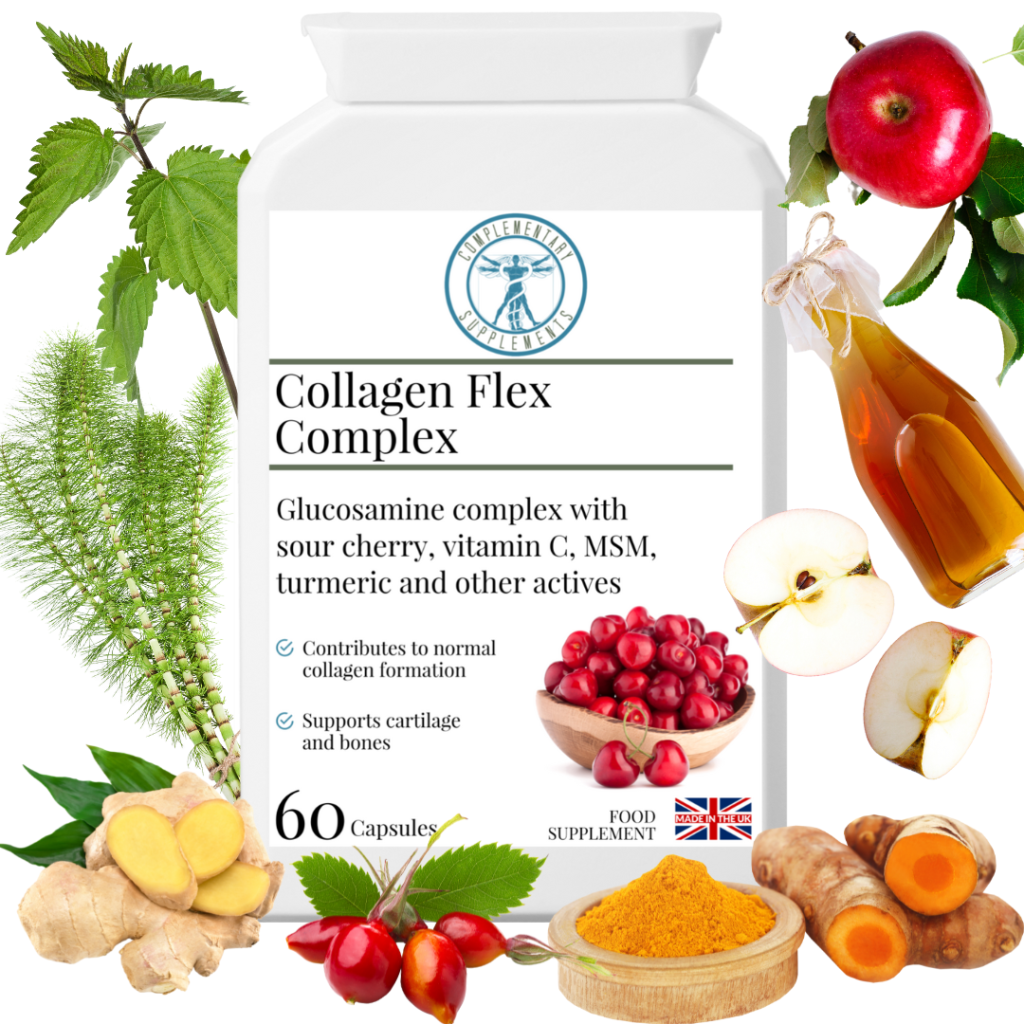
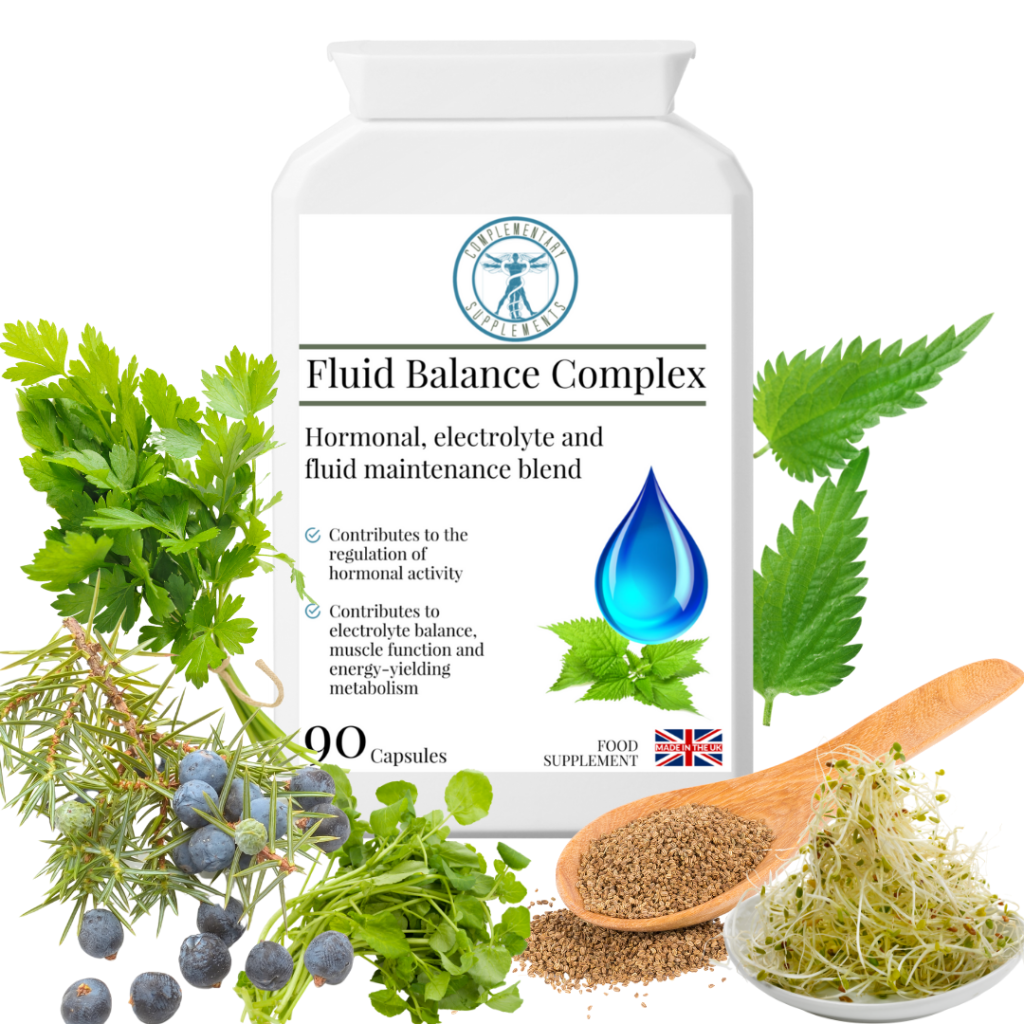
Nettle is available in 2 of our supplements:


 Complementary Medicine Clinic
Leave a comment